Be yourself; Everyone else is already taken.
— Oscar Wilde.
This is the first post on my new blog. I’m just getting this new blog going, so stay tuned for more. Subscribe below to get notified when I post new updates.
Be yourself; Everyone else is already taken.
— Oscar Wilde.
This is the first post on my new blog. I’m just getting this new blog going, so stay tuned for more. Subscribe below to get notified when I post new updates.
Interestingly, while the inherent term denotes a key property or something that is naturally flame resistant component of the fabric, all the natural fibers used today are cotton. Inherent fabrics may be mixed with chemically treated fabric to make better quality FR fabrics.
The flame resistance of the clothing produced of the inherent fiber is long-lasting as no chemicals are used. Aramides, modacrylics, and carbon fibers are prevalent and popular inherent heat resistant fabrics. Inherent heat resistant fabrics are a blend of organic fibers that carbonize under flames then expand to reduce the amount of oxygen in the atmosphere and provide superior insulation due to the carbon if exposed to heat or flame.
The reduction in air layers between fabric and skin during a thermal exposure reduces which ultimately reduces the total provided insulation. The high level of protection against thermal hazards is provided by inherent FR fabrics. The fabrics of inherent FR will not ignite or show a protection mechanism at normal oxygen content levels in the air.
If chemically treated FR are burned due to fire breakage, they might release some sort of harmful chemicals that might affect the lungs of the person inhaling them. Inherent fabrics last longer than processed chemical products as a number of washes fade away from the chemical substances on the fabric. Subject to specific laundry specifications, FR fabrics. In general, bleach should be avoided with FR clothing or else the flame resistance of the material can be reduced.
Treated fire-resistant cloth begins as a flammable product and is then engineered for flame resistance in this material. A variety of processed technologies are used worldwide today and the best of these technologies create a fire-resistance polymer inside the hollow core of cotton fibers that produce FR-guaranteed materials for the life of the cloth. Although the most natural and synthetic materials do burn, FR materials are resistant to ignition, except under the harshest circumstances.
In real-world circumstances, many fabrics that claim to be fire-resistant have not been shown. Look for materials that have a history of flame resistance and support their performance in FR clothing documentation.
Flame-resistant cloth or FR cloth are made to worn by workers that work in industries as a defensive shield against the hazards that occur in their workplaces such as hot or molten metal, flash fires or arc flashes and dust explosions.
Fabrics are most probable to be caught in the fire in these risks, but in the case of heat resistant fabrics, these fabrics have self-extinguishing characteristics and stop burning after the fabric is removed from the fire source and further prevents ignitions without melting or damaging the wearer.
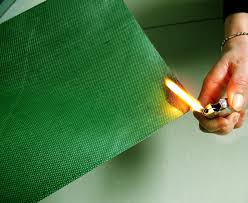
Heat resistant fabric can be used to improve the FR features of the fabric with some chemicals. The chemical not only improves flame-resistant properties but also improves the fabric’s durability. These chemicals are designed to prevent the flame spread and heat transfer.
The flame-resistant fabric should be able to extinguish the fire after the ignition source has been removed. These kinds of fabrics are worn in their daily work by firefighters to electricians and oil workers because their work conditions are among the hardest. Various kinds of fire-resistant fabrics are used to make, produce and manufacture clothing. Flame-proof textiles keep the fire at a certain point and when the fire source is removed, the fabric extinguishes the fire itself. FR fabric makers add the material to their unique blend to produce flame-resistant properties.
In the industrial sector, fire-resistant fabrics are necessary as employees are subject to damaging circumstances that may put their lives at risk. These fabrics act as protection against this kind of environment.
Fireproof fabric is a distinctive type of personal protective equipment that protects you from FR clothing hazards. Inherent heat resistant fabric is naturally kneaded or woven from fibers that integrate flame resistance in their chemical structures.
Mainly textile burning is involved in fire accidents. The result of textile burning is determined by the weight and flammability of the materials. This means that these masks are not to be processed chemically as chemicals are unsafe for employees in the fabric to breathe in. Given the hazards involved, it is important to instruct employees to keep their fireproof fabrics up to date because it is their sole protection. In combination with fire dangers, electrical malfunctions in the industrial sector are also risky.
When the cable is cut or lost, it shocks the person coming in contact with it and can even kill the employee, the employee is not shocked when he or she wears a fireproof fabric material containing synthetic or natural fibers, and he or she safe. Another part of fireproof fabrics is leather gloves. Do not allow the oil to come into contact with gloves because it reduces flame resistance.
The fireproof clothing material can be cleaned with cold water or hydrogen monoxide to increase its life. When textiles are washed with bleach, harsh detergents and fatty soaps they lose their fire-resistant and they easily burn due to weaker fabric and can put the life of a person who wears them at risk.
Workers should be encouraged to test their materials every day before wearing them. A certain amount of washes is perfect for fireproof fabrics. Following several washes, chemical wears off and fire resistance decrease. The textiles used in your fire retardant textiles can affect employee’s lives and safety, so it’s better to get high-quality fabrics. If they wear these clothes, employees should always ensure they wear non-melting materials inside. Overalls of fireproof fabrics can be used to improve protection and decrease damage caused to fabrics worn under.
The textiles used in your fire retardant textiles can affect employee’s lives and safety, so it’s better to get high-quality fabrics. Fabrics must be replaced if no repair can be done to the damaged clothing. Saving money and buying cheap fabrics can result in catastrophic events. Workers must never rely on FR protective clothing alone. In addition to expensive basic protective clothing, these clothes are designed to offer additional protection.
Flameproof clothing in different styles and textiles is available. The main aspect of secondary FR clothing is that it offers adequate repellency and protection of the working environment.
Fireproof garments are manufactured to resist extreme situations in hazardous work conditions with frequent exposure to fire, flames, arc flash, acids, and other contaminants. There are a big misunderstanding and a very common marketing hype that these fabrics sometimes are made indestructible, even though that’s not the case. Fireproof fabrics should comply with state standards and the facts on fabrics in the textile market since they are widely used in the industrial sector.
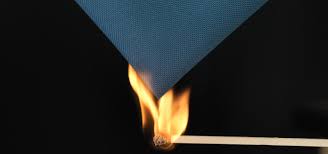
A fire retardant fabric can be manufactured by combining natural and manmade fibers such as nylon and polyesters. Fibers can be treated and not treated with a substance that reduces the textile flammability and almost prevents fire from spreading. The coated chemicals interact with the fire and in the case of a fire breakage, which produces gases and tars on the fabric.
The gas and tars that are produced have carbon or coal that decelerates the fabric’s burning speed. Naturally, flame retardant material such as cotton can be made into a fireproof clothing material through a chemical coating on the fibers. In most industries, the use of protective textiles is widely spread.
Fire-related hazards in industries are common that’s why workers should have fireproof fabrics. The clothes are the first thing that comes into contact with fire and heat than the skin.
The flammable fabric should be extinguished once the ignition source is removed. They wear such fabrics from firefighters to electricians and oil workers in their daily work because their working conditions are the harshest. Many different types of fireproof fabrics are used in the production of clothing, products and other products. Not all fire-resistant clothing materials consist of the same blend and materials.
There are plenty of various fabrics made of various materials. These materials can have various results and can have their own advantages against various risks. In accordance with the various hazards at work, the buyer needs to decide what kind of fabric they want. The budget, comfort, and quality of your fabric can be your choice. Each fabric has different characteristics because it has different fibers.
Some of the most common fibers, which are combined with inherent fireproof materials, are listed below. This is the most popular and most used type of fabric on the FR market today. This fabric is mainly made in combination with other flameproof fabric.
Most of the fire-resistant fabrics contain these fibers. Kevlar is a fireproof material and can be mixed with other fabrics to create a new type of clothing. It can be mixed with Nomex, another fiber that makes a good fabric resistant to fire. This is another fireproof fabric that is made from inherently fireproof clothing material. Nomex creates a fireproof fabric that can be made into the cloth without mixing other fabrics.
Sometimes Nomex is combined with other fabrics to make a fireproof fabric with Kevlar. If the fabric resists fire, it resists for a few seconds, but then it begins to burn, like any other organic matter. Flame-resistant fabric can protect the workers against fire only when the fire source is extinct or if the clothing is burned enough to start self-extinguishing properties of the fabric In order to ensure the security of employees it is important for the company to purchase only high-quality fabric that is up to standard standards.
Whatever kind of fabric is purchased is not important, because it can be the key to saving people’s lives.
The advancement to careful treatment in the mid-1900’s because of improvements with casting and bone operations among others. The best orthopedic surgeon can treat multiple ages of people from toddlers to old aged people. Athletes are very common patients for any orthopedic surgeon due to their extreme body movements, injuries are very common for them.
Orthopedic specialists use the medical procedure if all else fails for musculoskeletal issues. Probably the most widely recognized medical procedures that best orthopedic surgeons perform include back medical procedure, and lower leg, knee, shoulder, and hip replacement. Early treatment keeps an issue from getting considerably serious. During an underlying meeting with an orthopedic specialist, the patient can question the doctor and it will dissolve any issues and clarify their treatment choices.
Orthopedic surgeons are widely trained to diagnose, musculoskeletal system problems via treat non-surgical or surgical and rehabilitation. After five years of concentrated study at a major medical center in an orthopedic residency program. After residing one of the students may decide to take part in a specialized orthopedic field in an additional year or two of a fellowship program.
The best orthopedic surgeon must be certified by a board which includes the examination of a peer review process and then they must demonstrate by both verbal and written examinations conducted by a nationwide Orthopedic Surgery Board. The Board of Orthopedic Surgery certifies the specialists in hand operations and orthopedics can obtain a Certificate of additional qualifications from their board certification by completing a standardized examination.
The sub-specialty field of therapy includes hand surgery, foot and ankle operations, spine surgery, musculoskeletal oncology, surgical sports medicine, and Orthopedic trauma; total joint reconstruction, pediatric orthopedics. Orthopedic surgeons are studying and attending medical training for many hours to preserve the knowledge and skills of orthopedic surgeons.
The industrial sector has many fumes in the air and these gases can damage human hearts and lungs, and workers must wear linen or cotton masks. Given the risks involved, flaming evidence for textiles is dangerous, it is important to instruct employees to keep their equipment up-to-date since it is your only protection.
Electrical malfunctions in the industrial sector combined with fire hazards are also risky. Workers in an area surrounded by a large number of astronomically powerful machines. Where the cable is cut or lose it will upset the employee’s workspace and may even kill them, the worker shall not be shocked if he or she is wearing a Fire retardant material containing synthetic fibers or natural fibers, the employee will be secure and safe.
The fireproof clothing is made from fire retardant fabrics so that the cloth is burned but fire is limited and burned out. Fire safety is important in most industries as working clothes that protect from heat and fire are mandatory and can protect people in harsh conditions from the fire hazards that cause harm.
Coldwater or hydrogen monoxide can be used to clean fireproof clothing material. When washing the textiles, blending, smoother fabric and any fatty soap and stomach soap must be avoided as it can influence the resistance to fire in the textile and could endanger the life of a person who is wearing it.
Workers should be encouraged daily to test their fabrics. Fireproof clothing material for a certain amount of washes is only perfect. Overall fireproofing may be used to improve the life of fireproof materials. The textiles used can influence the lives and safety of workers in your fire retardant textiles.
When employees wear these clothes, they must always make sure that they wear non-melting fabrics. Saving money in the absence of new safety gear can disastrously affect the lives of workers and the reputation of the company. The better the care is taken of the garment, the longer the fabric lasts.
Orthopedic treatments and procedures include arthroplasty, arthroscopic surgery, bone grafting, fasciotomy, fracture repair, kneecap removal, and traction are some specific procedures performed by orthopedic surgeons.
Generally, orthopedists work closely with the surgical team including an anesthesiologist and a surgical nurse at a hospital, a medical center, a trauma center or a surgical center. Orthopedic surgery under general, regional or local anesthesia may be performed. Much of the operator’s activity includes the addition of external material to the body as sculptures, wires, pins, tongs and prosthetic material to hold damaged bones in their proper alignment. Improving the development of artificial limbs, joints, and materials to repair bone and connective tissue damage was considerable.
As the fields of metallurgy and plastics develop, changes will be made in orthopedic operations which enable the orthopedic surgeon in Lahore to nearly duplicate the natural functions of bones, joints, and ligaments and to restore damaged parts to their original range of motion more accurately. A general physician or family doctor usually refer patients to an orthopedic surgeon in Lahore.
In order to establish the proper corrective procedure, the patient undergoes extensive tests before any surgery. X-rays, CT-scans, MRIs, myelograms, diagnostic arthroplasty, and blood tests may be included in the test. Tests may include: The orthopedist will determine the history and treatments previously tested. Prior to surgery, a rest period for the injured party may be recommended.
Top doctors in Lahore can found in most well-known, private and government hospitals. Prices of an orthopedic surgeon in Lahore can be different depending on the hospital the patient chooses to have surgery and care at.
Government hospitals are cheaper as compared to private hospitals. However private hospitals provide better treatment comfort-wise. It all depends on what the patient prefers and what kind of care they want while having surgery.
Fibers are treated with chemicals that reduce the ability of the fabric to catch fire and make it virtually fireproof. When a burn occurs, the chemicals on the fiber react with gasses and tars produced by the fabric. Even in such harsh conditions flame retardant fabrics provide protection and take damage on itself rather than the wearer’s skin.
These decomposition products include fuel gases, non-fuel gases, and charcoal. Synthetic or natural polymers flame retardant textiles can be physically and chemically interfering in specific burning stages. The fabric is cooled by cooling the endothermic processes caused by the flame retardant.

The creation of an antibiotic layer prevents heat transfer, reduces pyrolysis gases and excludes oxygen. Gas-phase reaction: the free radical mechanism of combustion in the gas phase may be interrupted by flame-retardant textiles. A flame retardant fabric depends on how often it has been cleaned and dried as the temperature in which it has been washed will affect it as well. Employees can be hired to clean and maintain fire resistance products professionally.
Each fire retardant textile has a specific laundering requirement; the labeling instructions for the clothing must be reviewed. Bleach should be avoided as bleach may affect the fire retardation of the tissue when washing this stuff.
Fabric softeners should also be prevented, as they leave a flammable layer on the textile that can capture fire and spill over the clothes, which is the same for any high-fat soap content. Check the fashion mark to wash the fabric for the best way. If not in use, the flame retardant textiles should be lined up and cleaned so that the dust cannot be accumulated more quickly and wear out. Available fire retardant covers can be used to increase the lifetime of textiles which are fire retardant. An extra protective layer is provided by the fire retardant covers. They maintain the dirt and increase the fire retardation.
It is the presence of fireproof materials at the ignition time that prevents the fire from spreading. More often, the outer clothing ignites, so, it is important to wear non-melt underwear capable of flameproof clothing.
Inflammable clothing in FR clothing can ignite and cause serious injury at the point of fire. FR clothing Products that melt at high temperatures are particularly risky because they bind to the skin and cause severe burns. Many people assume that the government requires fireproof clothing material to automatically repel flames, but that’s not accurate. Class 3 fabrics burn faster than Class 1 or Class 2 fabrics and therefore Class 3 fabrics are not used in FR garments, normally.
The manufacturing process of FR clothing includes a range of tests, or special weaving methods, to improve their ability to withstand inflammation and to repel flame. No one should ever rely on standard protective clothing in a hazardous environment. The benefit of FR clothing is that the fire does not spread easily from the ignition point and that the ignition trigger will automatically be extinguished shortly after the wearer leaves the ignition button. T-shirts or underwear garments made of fireproof clothing material may be attached to the worker’s outer garments.
Workers should never rely solely on disposable FR protective clothing. In addition to more costly standard protective clothing, these garments are designed to provide additional protection. In order to ensure that employees have the appropriate scope of protection, it is also critical that the manufacturer’s instructions for the use, durability and disposal of disposable clothing are complied with.
Flameproof clothing is available in a variety of designs and textiles. The most important aspect of secondary fireproof clothing material is that it provides an adequate level of repulsion and protection for the environment at work. People can be trained to properly maintain their FR garments to ensure these retain the fireproof properties for a longer span of time.

 Perfect Blogger